

If you’ve been grappling with restless nights, persistent muscle tension, or a general lack of energy, the answer might be found in a vital mineral: magnesium. More common than you might think, low magnesium levels can quietly impact numerous aspects of your health. This essential mineral is a powerhouse, involved in over 300 bodily processes, from energy production and blood sugar regulation to maintaining a steady heartbeat and a balanced mood. It’s the fourth-most abundant mineral in your body for a reason!
Think of this not just as information, but as a daily recipe for revitalizing your body. We’ll guide you through the best ingredients and simple steps to ensure you’re getting enough of this crucial nutrient to feel your absolute best.
Ingredients for a Magnesium-Rich Diet
To start, let’s stock your pantry with nature’s best sources of magnesium. Incorporating these delicious and wholesome foods into your daily meals is the first step toward boosting your levels naturally.
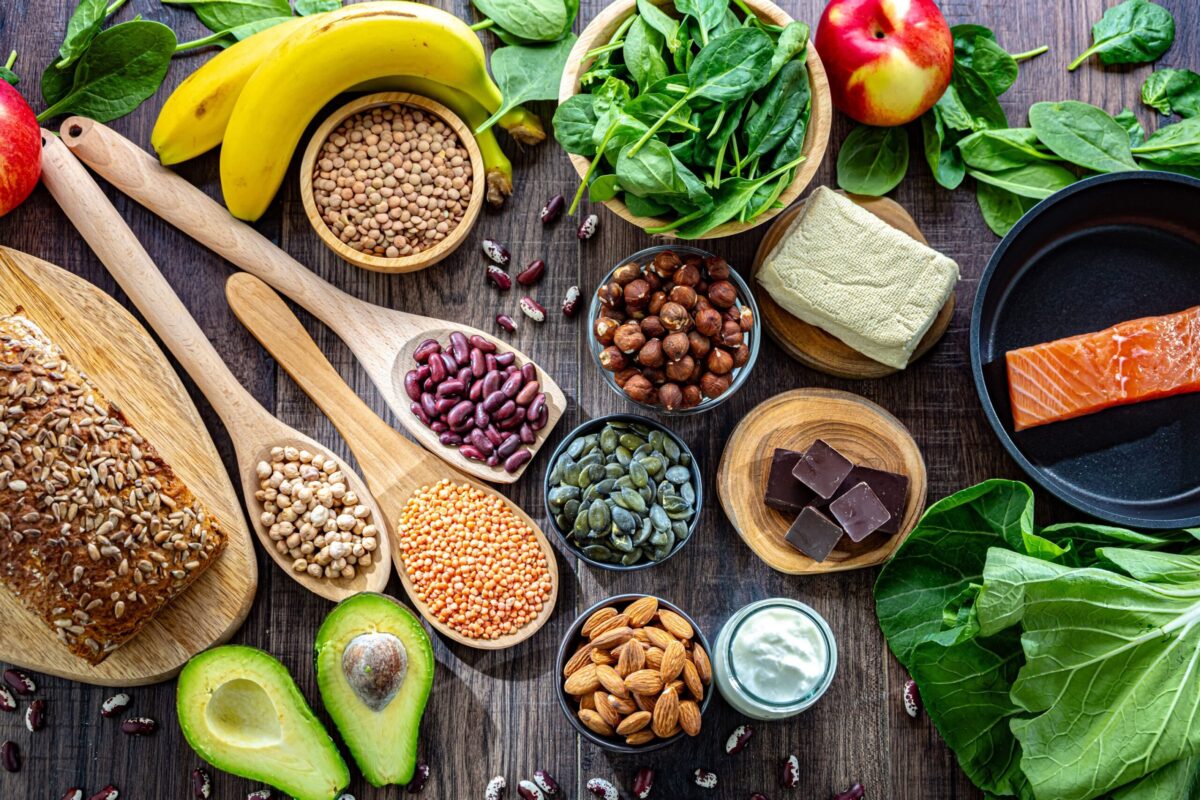
- Dark Leafy Greens: Spinach, kale, and Swiss chard
- Nuts & Seeds: Almonds, pumpkin seeds, cashews, and chia seeds
- Legumes: Black beans, lentils, and chickpeas
- Avocado: A creamy and delicious source
- Dark Chocolate: A delightful treat with at least 70% cocoa
- Whole Grains: Brown rice, quinoa, and oats
- Fatty Fish: Salmon, mackerel, and halibut
Instructions: Your Daily Wellness Plan
Follow these simple steps each day to create a routine that naturally supports healthy magnesium levels.
- Start Your Day Strong: Begin your morning with a magnesium-packed breakfast. Try a bowl of oatmeal sprinkled with chia seeds and almonds, or a smoothie blended with spinach, avocado, and a spoonful of nut butter.
- Build a Powerful Plate: For lunch and dinner, make dark leafy greens the star of your plate. A large spinach salad topped with salmon and pumpkin seeds or a hearty black bean and quinoa bowl are excellent choices. Reducing your intake of highly processed foods, which can be stripped of magnesium, will also make a significant difference.
- Snack Smart: When you need a midday boost, reach for a handful of almonds or a small square of dark chocolate instead of processed snacks. These not only provide magnesium but also offer healthy fats and antioxidants.
-
Listen to Your Body: Recognizing the signs of low magnesium is key. Early symptoms can be subtle, but being aware can help you take action. Pay attention to issues like frequent muscle twitches or cramps, unexplained fatigue or weakness, an irregular heartbeat or palpitations, and even high blood pressure. If you experience these, it’s a good cue to focus more on magnesium-rich foods.

-
Consider a Supplement with Care: While a food-first approach is always best, some individuals may benefit from supplementation, especially older adults, those with digestive conditions, or anyone taking certain medications that can deplete magnesium. However, it’s crucial to approach this step with professional guidance. Always consult with your doctor or a registered dietitian before starting any new supplement to determine the right form and dosage for your unique needs.

Magnesium Powerhouse Foods
Here’s a quick-reference table to see how easily you can meet your daily magnesium needs with common foods.
| Food | Serving Size | Approx. Magnesium (mg) |
|---|---|---|
| Pumpkin Seeds | 1 ounce (28g) | 156 mg |
| Almonds | 1 ounce (28g) | 80 mg |
| Spinach, boiled | 1 cup | 78 mg |
| Black Beans, cooked | 1 cup | 120 mg |
| Dark Chocolate (70-85%) | 1 ounce (28g) | 64 mg |
I'm Julia. I cook restaurant copycat recipes at home and share what works. Every recipe on this site is tested at least three times in my own kitchen before I publish it.