

Recent research reveals something fascinating: aging isn’t just a slow, steady process. Our bodies experience significant biological shifts, particularly around our 40s and again in our 60s. These pivotal decades can reshape everything from our metabolism and immune function to our cardiovascular risk. The wonderful news is that we have a powerful tool to navigate these changes gracefully: our diet. What we choose to put on our plates has a profound, cumulative impact on our wellbeing, and with the right ingredients, we can create a recipe for a healthier, more vibrant life.

This isn’t about stopping the clock, but about nourishing your body so it can thrive through every stage. For both men and women, hormonal fluctuations during midlife can affect muscle mass, bone density, and energy levels. By focusing on a nutrient-rich diet, we can support our bodies through these transitions, promoting healthier biological aging from the inside out. Let’s get cooking!
The Ingredients for Healthy Aging
Think of your daily diet as the ingredient list for your long-term health. To build the best foundation, especially from your 40s onward, focus on incorporating these nutritional powerhouses into your meals.
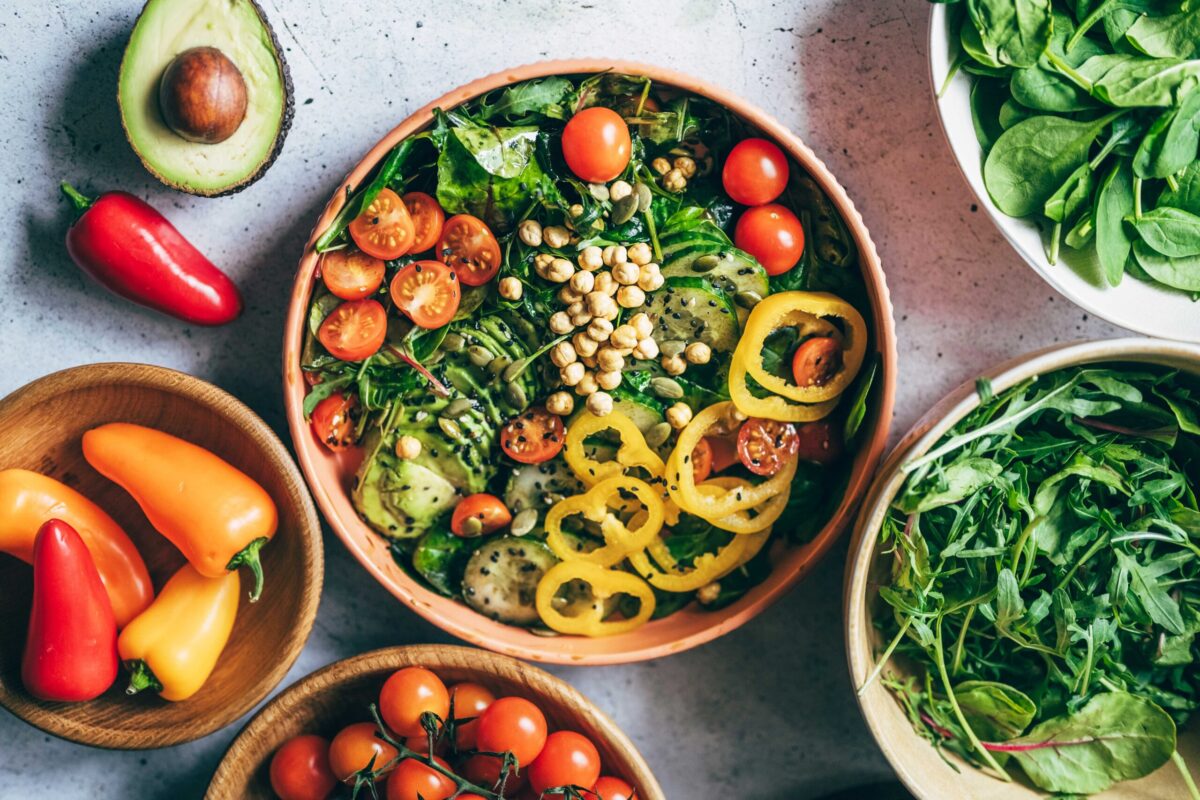
- High-Quality Protein: As we age, maintaining muscle mass becomes crucial. Protein provides the essential amino acids—the building blocks our bodies need. Include sources like lean meats, poultry, fish, eggs, soy (tofu, edamame), quinoa, and legumes.
- Omega-3 Fatty Acids: These essential fats are champions for heart and brain health and have wonderful anti-inflammatory properties. Find them in oily fish (salmon, mackerel, sardines), walnuts, chia seeds, and flaxseeds.
- Fiber-Rich Foods: Fiber is vital for a healthy gut microbiome, and it helps you feel fuller for longer, which can prevent snacking on less-healthy options. Load up on wholegrains, vegetables, fruits, nuts, and seeds.
- Polyphenol Powerhouses: These plant compounds are packed with antioxidants that protect your cells. Enjoy them in colorful fruits and vegetables, extra virgin olive oil, dark chocolate, coffee, and green tea.
- Key Vitamins & Minerals: Focus on nutrient-dense whole foods to get a wide array of micronutrients. Pay special attention to potassium (leafy greens, bananas), magnesium (nuts, seeds, legumes), and vitamin D (oily fish, fortified foods, and sunshine!) to support bone health and immune function.
The Instructions: Your Step-by-Step Guide
Putting these ingredients to work is all about creating simple, sustainable habits. Follow these steps to build a dietary pattern that supports you for years to come.

- Prioritize Protein at Every Meal: Aim to include a source of protein with breakfast, lunch, and dinner. This helps preserve muscle strength and keeps you feeling satisfied. Think oats with Greek yogurt for breakfast, a chicken or lentil salad for lunch, and salmon with roasted vegetables for dinner.
- Embrace Healthy Fats: Make a weekly date with oily fish to get your omega-3s. Use extra virgin olive oil for dressings and light cooking, and snack on a small handful of walnuts or add chia seeds to your morning smoothie.
- Fill Half Your Plate with Color: A simple rule of thumb for any meal is to fill half your plate with non-starchy vegetables and fruits. This ensures you’re getting plenty of fiber, vitamins, and polyphenols.
- Reduce the Saboteurs: While no food is off-limits, it’s wise to limit ultra-processed foods that are often high in sugar, unhealthy fats, and sodium but low in nutrients. Excess sugar and alcohol can disrupt sleep, impair cognitive function, and accelerate skin aging, so enjoy them in moderation for better overall wellness.
- Personalize Your Plate: While the core advice is similar for everyone, men may want to prioritize foods that support cardiovascular health, like tomatoes and leafy greens. Women may benefit from extra attention to bone health with calcium-rich dairy or fortified alternatives, soy foods, and plenty of fiber.

Your Healthy Aging Nutrition Guide
Here’s a quick-reference table to connect our key ingredients with their incredible benefits for navigating midlife and beyond.
| Nutrient | Key Food Sources | Primary Benefits for Aging |
|---|---|---|
| Protein | Lean meat, fish, eggs, soy, quinoa, legumes | Preserves muscle mass, strength, and bone health. |
| Omega-3s | Oily fish (salmon, mackerel), walnuts, flaxseeds | Supports heart & brain health, reduces inflammation. |
| Fiber | Wholegrains, vegetables, nuts, seeds, fruits | Promotes gut health, helps manage weight & blood sugar. |
| Polyphenols | Berries, dark chocolate, olive oil, green tea | Provides antioxidant protection against cellular damage. |
| Vitamin D & Magnesium | Oily fish, fortified dairy, leafy greens, nuts | Crucial for bone density and healthy immune function. |
I'm Julia. I cook restaurant copycat recipes at home and share what works. Every recipe on this site is tested at least three times in my own kitchen before I publish it.