

For years, many of us believed that our cognitive destiny was written in our genes. But exciting new research is shifting this perspective, placing the power to protect our brain health firmly back into our own hands. A wave of recent studies reveals that the food choices we make, particularly in midlife, can play a profound role in how our brains age. The most empowering part? It’s never too late to start making changes that count.
This isn’t a recipe for a single meal, but rather a delicious and sustainable blueprint for lifelong cognitive wellness. Inspired by the Mediterranean and DASH diets, the MIND diet (Mediterranean-DASH Intervention for Neurodegenerative Delay) is specifically designed to nourish your brain. It focuses on whole foods rich in the vitamins, fats, and antioxidants that science shows can help keep your mind sharp and resilient for years to come. Let’s get cooking for a healthier brain!
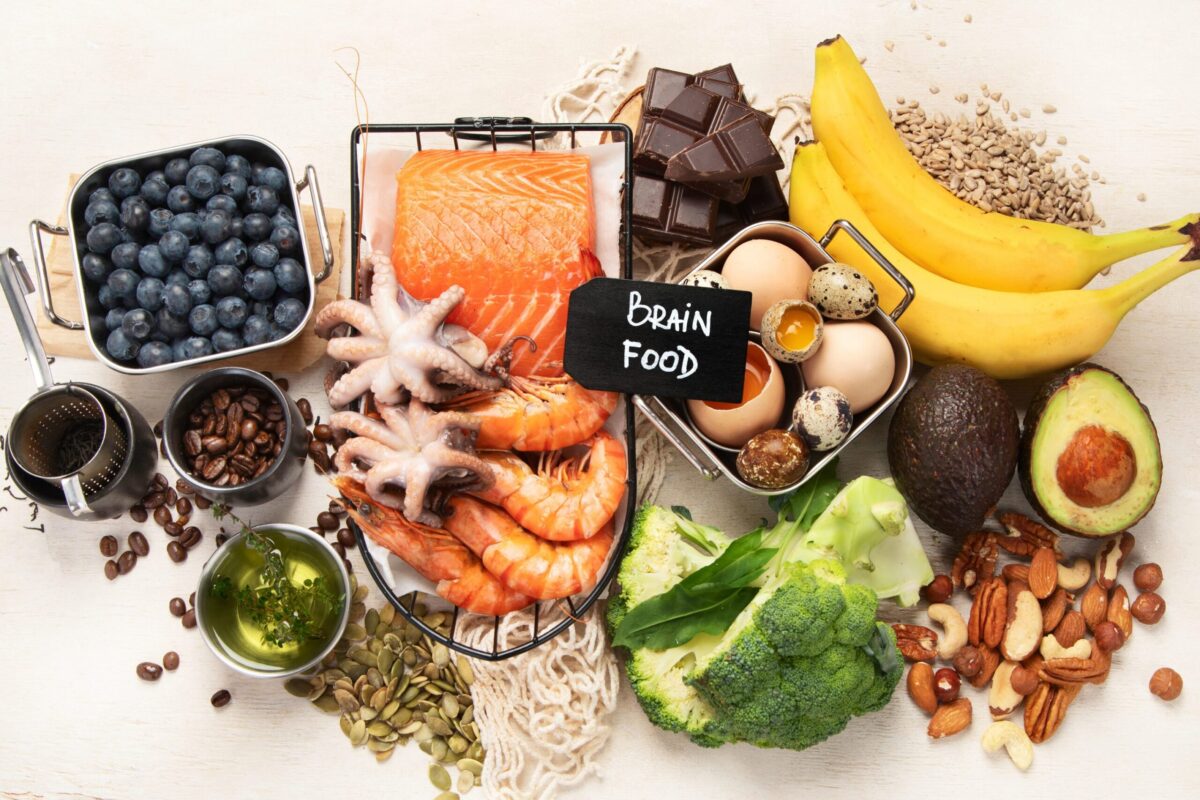
This recipe outlines the key food groups to embrace and those to enjoy in moderation. Think of it as stocking your pantry for long-term success.
Ingredients: Your Brain-Boosting Shopping List
- Leafy Green Vegetables: Aim for at least six servings per week (e.g., kale, spinach, collard greens, salad).
- All Other Vegetables: At least one serving a day, in addition to your leafy greens.
- Berries: At least two servings per week (e.g., blueberries, strawberries, raspberries).
- Nuts: Five or more servings per week. A small handful makes a perfect snack.
- Olive Oil: Use as your primary cooking oil.
- Whole Grains: At least three servings per day (e.g., oatmeal, quinoa, brown rice, whole-wheat bread).
- Fish: At least one serving per week, especially fatty fish like salmon, sardines, or mackerel.
- Beans & Legumes: At least four servings per week (e.g., lentils, chickpeas, black beans).
- Poultry: Two or more servings per week (e.g., chicken or turkey).
Ingredients to Limit:
- Butter and Margarine: Less than 1 tablespoon per day.
- Cheese: Less than one serving per week.
- Red Meat: Less than three servings per week.
- Fried Foods & Fast Food: Less than one serving per week.
- Pastries & Sweets: Less than four servings per week.
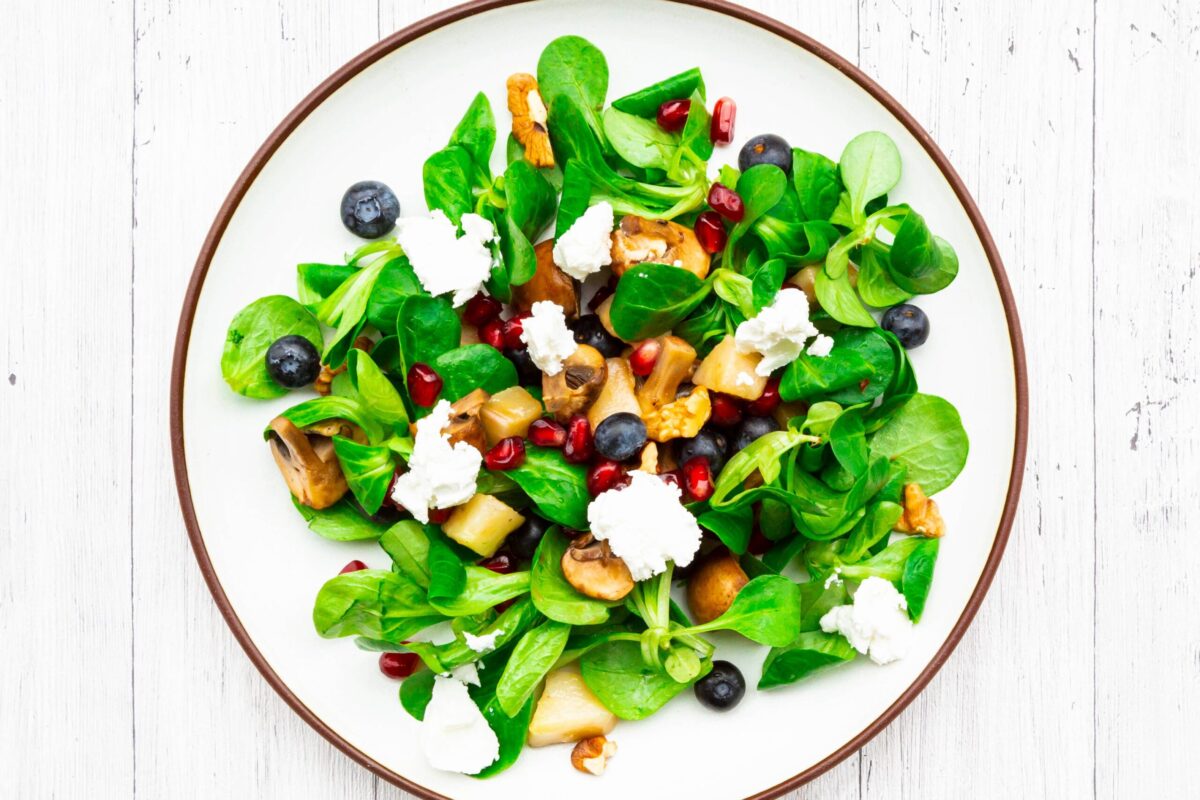
Instructions: A Step-by-Step Guide to a Healthier Mind
- Build Your Plate Around Plants: Make vegetables the star of your lunch and dinner. Start with a large salad or a generous portion of roasted vegetables, then add your other components. Don’t forget to include at least one serving of leafy greens every day.
- Embrace Whole Grains: Swap refined grains like white bread and pasta for their whole-grain counterparts. Start your day with a comforting bowl of oatmeal, build a lunch bowl on a base of quinoa, or enjoy a side of brown rice with your dinner.
- Choose Healthy Fats: Make extra-virgin olive oil your go-to for cooking, dressings, and finishing dishes. Snack on a variety of nuts like almonds, walnuts, and pecans for a satisfying dose of healthy fats and vitamin E.
- Select Lean Proteins: Prioritize fish and poultry over red meat. Aim for at least one meal a week featuring omega-3-rich fish. When you do enjoy red meat, choose lean cuts and keep portions small.
- Snack Smart with Berries: When you need a sweet treat, reach for a bowl of fresh berries. Their potent antioxidants, known as polyphenols, are fantastic for reducing oxidative stress in the brain.
- Make it a Habit: The key to the MIND diet is consistency. Start by making one or two small changes, like adding a salad to your daily routine or swapping your afternoon snack for a handful of nuts. As these become habit, introduce more changes. Remember, every step in the right direction matters!

The Nutritional Science Behind the Recipe
This isn’t about a single magic nutrient; it’s about the powerful synergy of whole foods working together. Here’s a look at the key players and their roles in supporting your brain.
| Nutrient | Found In | Brain-Boosting Benefit |
|---|---|---|
| Omega-3 Fatty Acids | Oily fish, walnuts, flaxseeds | A key structural component of brain cells, helping to reduce inflammation and support communication between neurons. |
| Polyphenols | Berries, olive oil, coffee, dark chocolate | Powerful antioxidants that protect the brain from stress and support healthy blood flow to the brain. |
| B Vitamins (Folate, B6, B12) | Leafy greens, beans, poultry | Help regulate homocysteine levels, an amino acid linked to brain cell loss when elevated. |
| Vitamin E | Nuts, seeds, leafy greens, olive oil | A fat-soluble antioxidant that helps protect brain cell membranes from damage. |
| Fiber | Whole grains, beans, vegetables, nuts | Nourishes the gut microbiome, which influences brain health and inflammation via the gut-brain axis. |
While research points to midlife as a crucial time for brain health, the evidence is overwhelmingly clear: your brain remains responsive to positive changes at any age. Improving your diet today can help reduce inflammation, support blood flow, and provide the essential nutrients your brain needs to thrive. Small, consistent improvements over time are what truly make a difference. Enjoy the journey to a healthier, sharper you!
I'm Julia. I cook restaurant copycat recipes at home and share what works. Every recipe on this site is tested at least three times in my own kitchen before I publish it.