

Here at Julia’s Recipe, we believe that creating delicious meals at home should be both joyful and economical. To help you get the most out of your grocery budget, we’ve gathered insights from eight leading chefs who are sharing their insider knowledge. They’re revealing the ingredients they consider the biggest waste of money and offering simple swaps and basic skills that can save you time while delivering far better results. Read on to transform your shopping list and discover surprising new ways to make every ingredient count.
What to Avoid: Ingredients Chefs Leave on the Shelf
1. Packet Microwave Rice
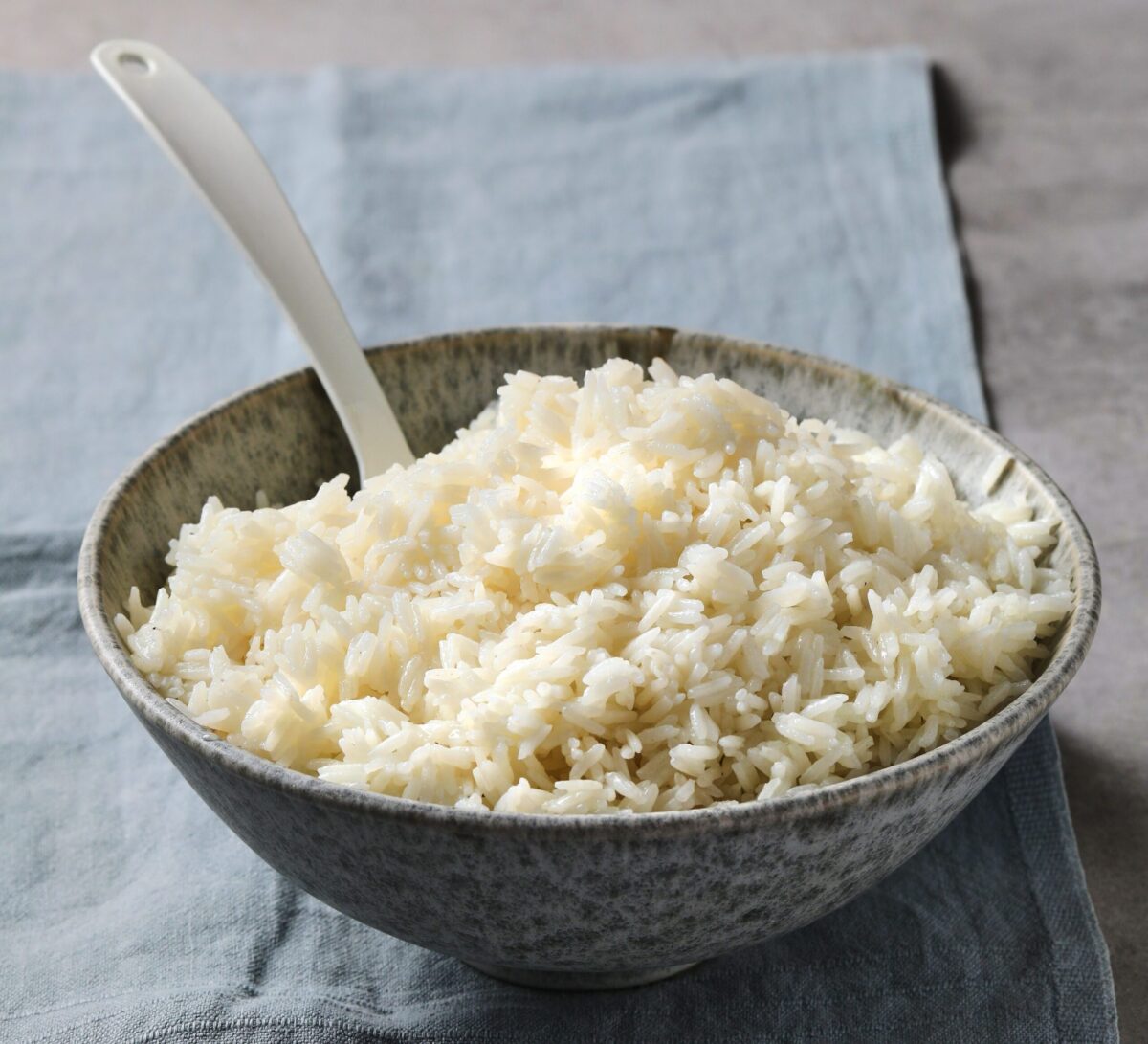
Chef Becky Excell points out that while convenient, packet microwave rice is a major budget-buster. “It’s more than four times more expensive than dried rice,” she explains. When you buy microwave rice, you’re paying a premium for pre-cooked, water-heavy grains. Learning to cook your own rice is a simple skill that offers significant savings, giving you enough for twenty servings for the price of one pre-made packet.

2. Ready-Made Tomato Sauce
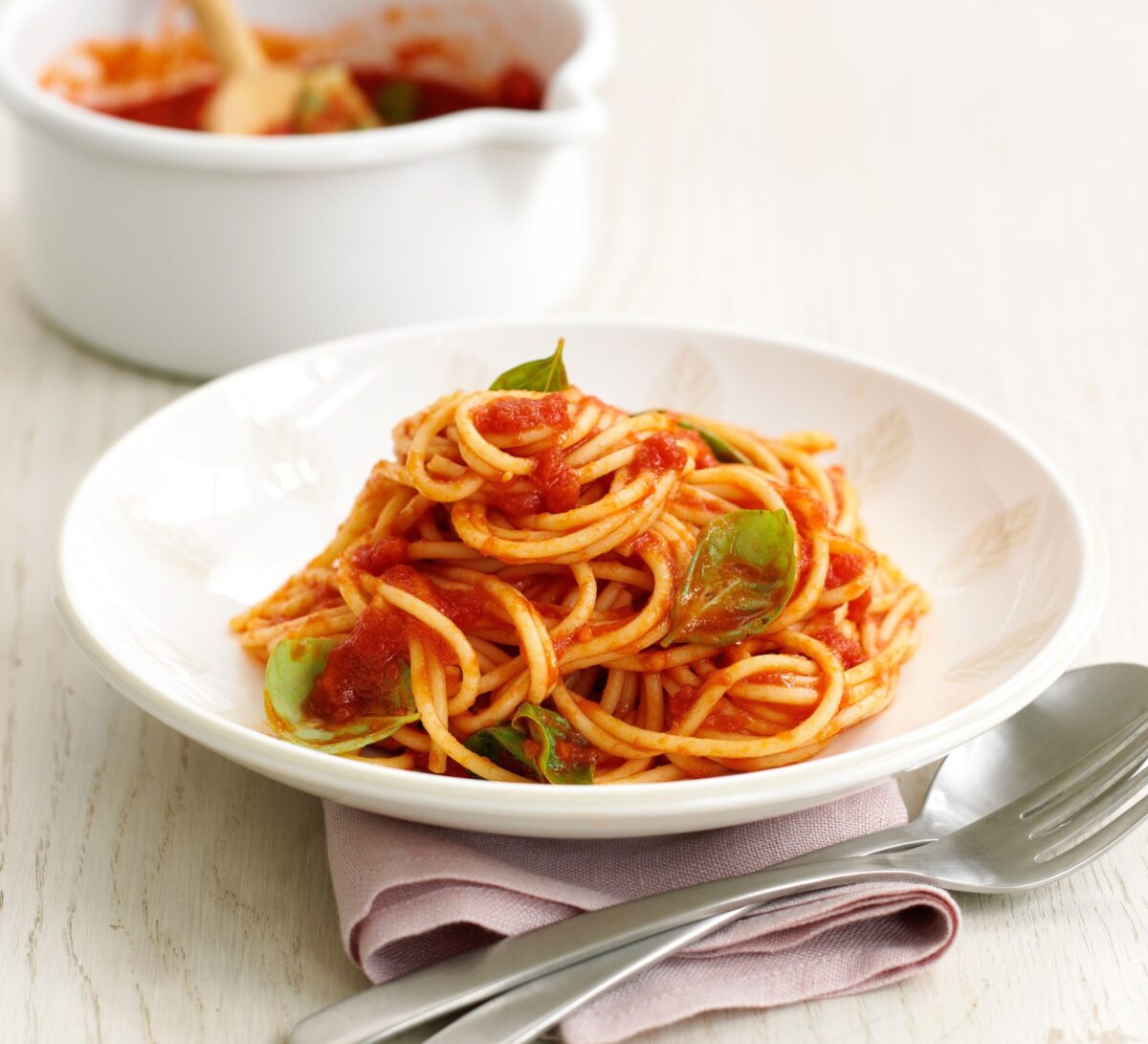
“I would say ready-made tomato sauces for pasta and the like – so very easy to make yourself,” says chef Claire Thomson. A homemade sauce is not only more affordable but allows you to control the ingredients, avoiding excess sugar and preservatives while achieving a much fresher, richer flavor.
3. Any Ingredient You Let Spoil
Nadiya Hussain offers a crucial piece of wisdom: “I think any ingredient is a waste of money if you don’t use it properly or cook it before it spoils. But nothing is a waste of money if you use it and enjoy it.” The most expensive ingredient is the one you throw away. Mindful shopping and meal planning are key to a cost-effective kitchen.

4. Overly Processed & Pre-Made Goods
Chef Si King has a whole list of items he avoids, as they offer poor value for money. Taking a few extra minutes to prepare these yourself will save you money and often result in a better-tasting final dish.
- Bottled lemon juice
- Garlic butter
- Pre-chopped vegetables and herbs
- Pre-made dips, salsas, and sandwich fillings
- Pre-cut cheese and ham
5. Caviar
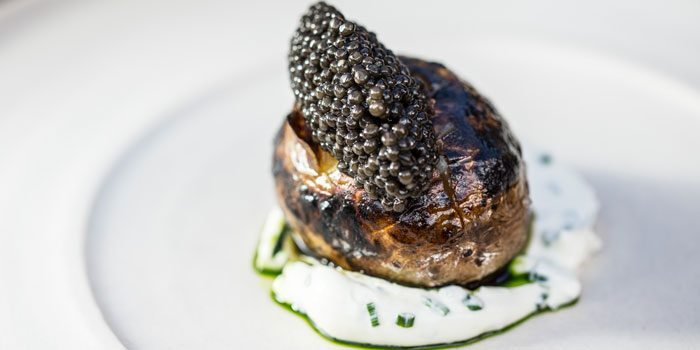
For chef Jeremy Pang, some luxury items just aren’t worth the price tag. “Caviar – I just don’t get the price and how it gets around the lack of sustainability questions.” For most home cooks, this is an easy one to skip.
6. Pre-Grated Cheese
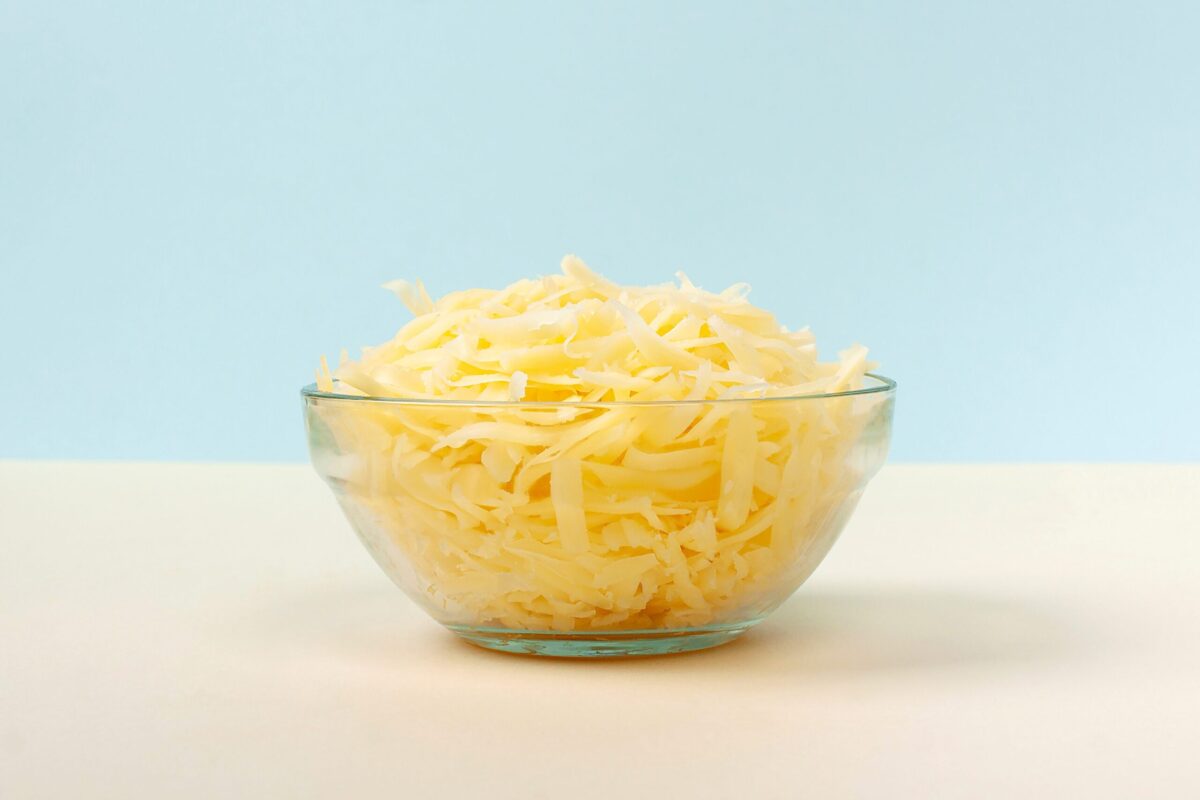
Matt Tebbutt keeps it short and simple: “Pre-grated cheese! Just, why?” Not only is it more expensive, but it also contains anti-caking agents like potato starch that can prevent it from melting smoothly. Grating your own from a block is cheaper and yields superior results.
Smart Swaps: The Chefs’ Best Money-Saving Secrets
It’s not just about what to avoid; it’s about making smarter choices. Here are some of our experts’ favorite practical tips to help you waste less and enjoy your cooking more.
- Embrace Batch-Cooking: Becky Excell recommends intentionally making ‘too much’ food whenever you cook dinner. “It’s batch-cooking without any extra effort,” she says. Freeze the extra portions for homemade ready-meals on busy nights, saving you from expensive takeaways and reducing your energy usage.
- Revive Limp Herbs: Don’t throw away wilted herbs! Nadiya Hussain suggests placing them on a plate and microwaving them in 20-second bursts until they’re dry and crispy. Crumble them into a jar for your own homemade dried seasonings.
- Stock Your Pantry Strategically: According to Jeremy Pang, a well-stocked pantry is your best friend on a budget. “Having various big bags of noodles in your pantry means that you are always just a bit of boiling water and some dark soy sauce away from a meal.”
- Make Your Own Pesto: Cassie Best advises against shop-bought pesto. “Make your own with any wilting soft herbs, spinach, watercress or rocket that’s lurking in the fridge. It costs less, tastes 100 times better and helps reduce food waste.”
Sample Nutrition Information
By making simple swaps like a homemade tomato sauce instead of a store-bought version, you can create healthier, more delicious meals. Below is a sample nutritional table for a basic homemade sauce.
| Nutrient | Amount per Serving |
|---|---|
| Calories | 85 kcal |
| Fat | 4g |
| Carbohydrates | 10g |
| Sugar | 6g |
| Protein | 2g |