

Have you ever wished you could enjoy generous, satisfying meals without feeling restricted? Welcome to the warm and welcoming approach of volume eating! This isn’t a crash diet, but a sustainable plan for nourishment that focuses on the simple, wonderful idea that not all calories are created equal. The core principle is to fill your plate with delicious, high-volume foods that are naturally lower in calories and rich in fiber and water. This means you can eat more, feel fuller for longer, and nourish your body beautifully.
Instead of strict calorie counting, volume eating simplifies choices by categorizing foods into four easy-to-remember groups. You can eat generously from the first group, moderately from the next two, and mindfully from the last. It’s an intuitive way to build balanced, satisfying meals that leave you feeling energized and happy.
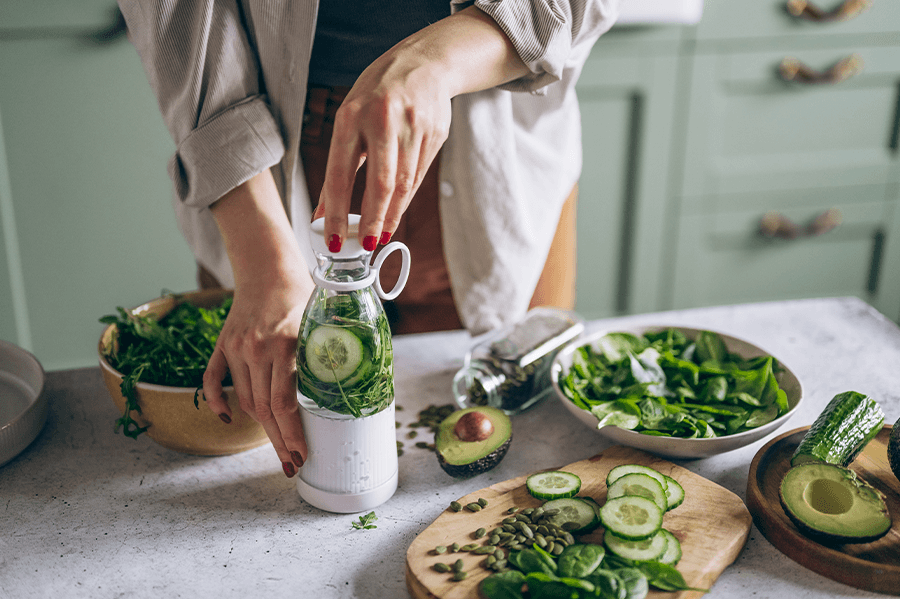
Your Volume Eating Food Guide
Here’s a simple guide to the food groups to help you stock your pantry and refrigerator.
Group 1: Enjoy Abundantly
These foods are high in fiber and water, making them incredibly filling and low in calories.
- Leafy Greens: Cabbage, kale, spinach, lettuce
- Vegetables: Broccoli, cauliflower, celery, cucumbers
- Fruits: Berries, oranges, grapefruit, lemon
- Broth-Based Soups: Vegetable soups and stews
Group 2: Eat in Moderation
These foods are still wonderfully nutritious but are slightly more calorie-dense.
- Root Vegetables: Sweet potatoes, beets, carrots
- Lean Proteins: Skinless chicken, fish, tofu
- Legumes: Lentils and beans
- Whole Grains: Brown rice, quinoa, oats
- Low-Fat Dairy: Yogurt and milk
Group 3: Smaller Portions
Enjoy these foods in smaller amounts as they are higher in fats and calories.
- Full-Fat Dairy: Cheese
- Oily Fish: Salmon, mackerel
- Refined Grains: White bread and pasta
Group 4: Mindful Amounts
These are the most calorie-dense foods, so they should be enjoyed sparingly.
- Fats and Oils: Butter, cooking oils
- Sweets: Desserts, sugar, honey, maple syrup
- Nuts and Seeds: Especially salted or oil-roasted varieties
- Fatty Meats and Processed Snacks: Crisps, ready meals, etc.
How to Get Started
- Build Your Plate Around Plants: Start by filling at least half your plate with non-starchy vegetables from Group 1. Their bulky nature helps you feel full and satisfied, making you less likely to reach for less-nutritious snacks later.
- Make Simple, High-Fiber Swaps: Boosting your fiber intake is one of the best things you can do for your health. Try switching from white bread to whole-grain, or add a handful of lentils or beans to your soups and salads. Fresh, frozen, and canned vegetables all count!
- Create Balanced Meals: A truly satisfying meal includes all the major food groups. Be sure to add a source of lean protein (like chicken, fish, or tofu) and a serving of whole-grain carbohydrates to your vegetable-rich plate. This balance provides steady energy and keeps you full.
- Embrace Variety: A great way to stay engaged and get a wide range of nutrients is to aim for variety. Challenge yourself to try a new fruit, vegetable, or whole grain each week. The more colorful your plate, the better!
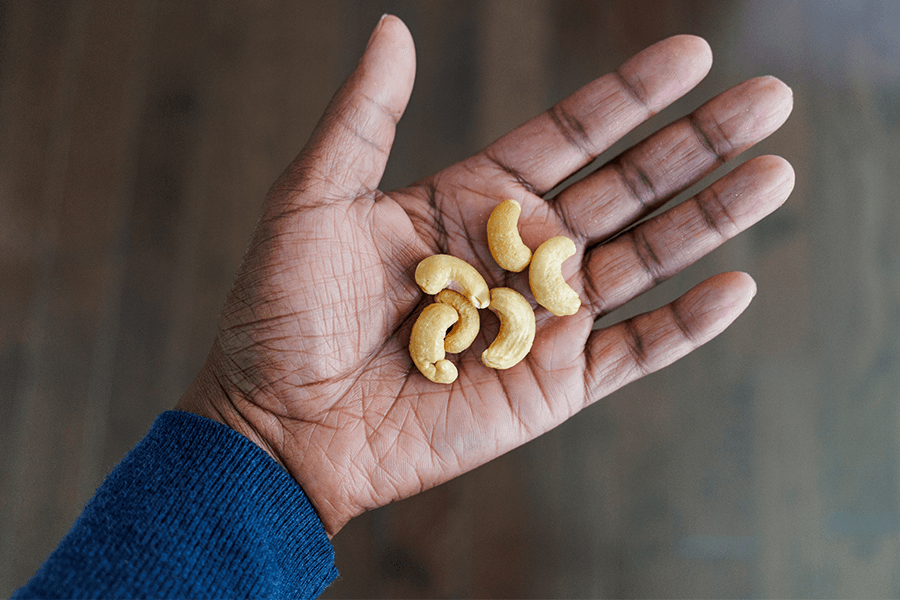
- Practice Mindful Moderation with Healthy Fats: While some healthy foods like nuts, seeds, and oils are in the higher-calorie groups, they are an essential part of a balanced diet. They provide crucial nutrients, protein, and fiber. The key is to be mindful of portion sizes. A small handful of unsalted nuts makes a wonderful, filling snack.
Understanding Calorie Density: A Quick Comparison
This table helps illustrate how you can eat a much larger volume of certain foods for the same number of calories. This is the secret to feeling full and satisfied!
| Food | Approximate Serving for 100 Calories |
|---|---|
| Spinach | ~3.5 cups |
| Strawberries | ~2 cups, sliced |
| Chicken Breast (cooked) | ~2 ounces (55g) |
| Almonds | ~15 almonds |
| Olive Oil | ~0.8 tablespoon |