

For so many of us, a warm cup of coffee is an essential part of the morning. It’s a comforting ritual that awakens the senses and prepares us for the day ahead. But to truly get the most out of your daily brew, timing and preparation are key. Instead of reaching for the coffee pot immediately after your alarm goes off, a few small adjustments can transform your routine into a truly healthful and energizing experience. This guide will walk you through crafting the perfect morning coffee ritual, ensuring you get all the benefits without the jitters or afternoon crash.
Ingredients
- 1 serving high-quality coffee beans
- 1 glass of water
- 1 protein-rich breakfast (e.g., a two-egg omelette with vegetables, or a bowl of Greek yogurt with berries and nut butter)
Instructions
- Wait and Hydrate: Many experts agree that the best time for coffee isn’t first thing in the morning. Your body’s natural cortisol (the alertness hormone) is highest right after waking. Wait 30 to 90 minutes and start your day with a glass of water instead. This allows your hormones to balance and prevents overstimulation.
- Prioritize a Protein-Rich Breakfast: Before brewing your coffee, enjoy a balanced breakfast. Pairing coffee with a meal rich in protein and healthy fats helps stabilize blood sugar and supports metabolic health. An omelette or a bowl of Greek yogurt provides sustained energy, rather than the false sense of energy that caffeine alone can create.
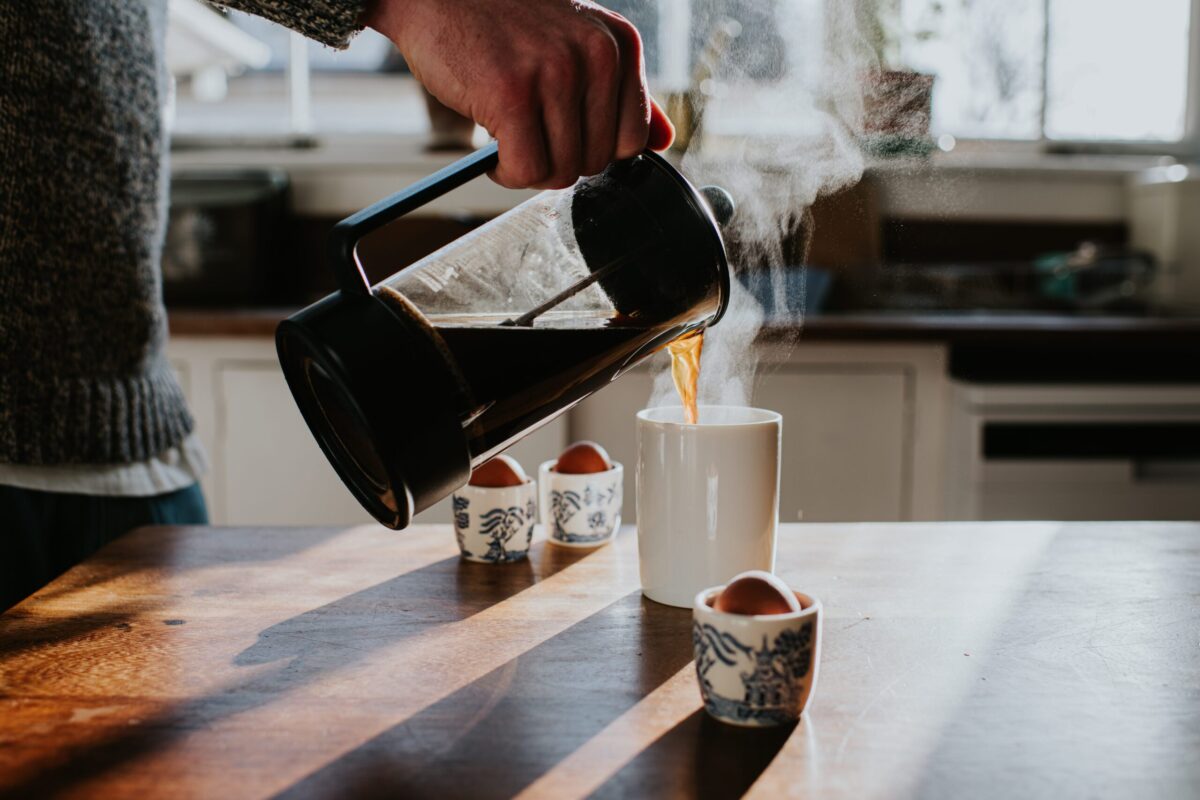
- Brew and Savor Your Coffee: Now it’s time for your coffee! A simple black coffee is a wonderful choice, as it’s low in calories and packed with antioxidants and beneficial compounds. By enjoying it after your meal, you’re priming your body for the best possible response.
- Be Mindful of the Time: The stimulating effects of caffeine can last for several hours. The average half-life is about five hours, meaning half the caffeine is still in your system long after your last sip. To protect your sleep, it’s best to avoid caffeine in the late afternoon and evening.

Nutrition
Nutritional information for a standard 8 oz (240ml) cup of black coffee without any additives.
| Nutrient | Amount |
|---|---|
| Calories | 2 |
| Fat | 0g |
| Carbohydrates | 0g |
| Protein | 0.3g |
| Caffeine | ~95mg (varies by bean and brew method) |
| Potassium | 116mg |